Skip to content
Menu

Zoom Webinars alternatives

If Zoom gives you the room but leaves registration, offers or replay follow-up scattered across other tools, these six alternatives take different parts of the selling workflow in-house.

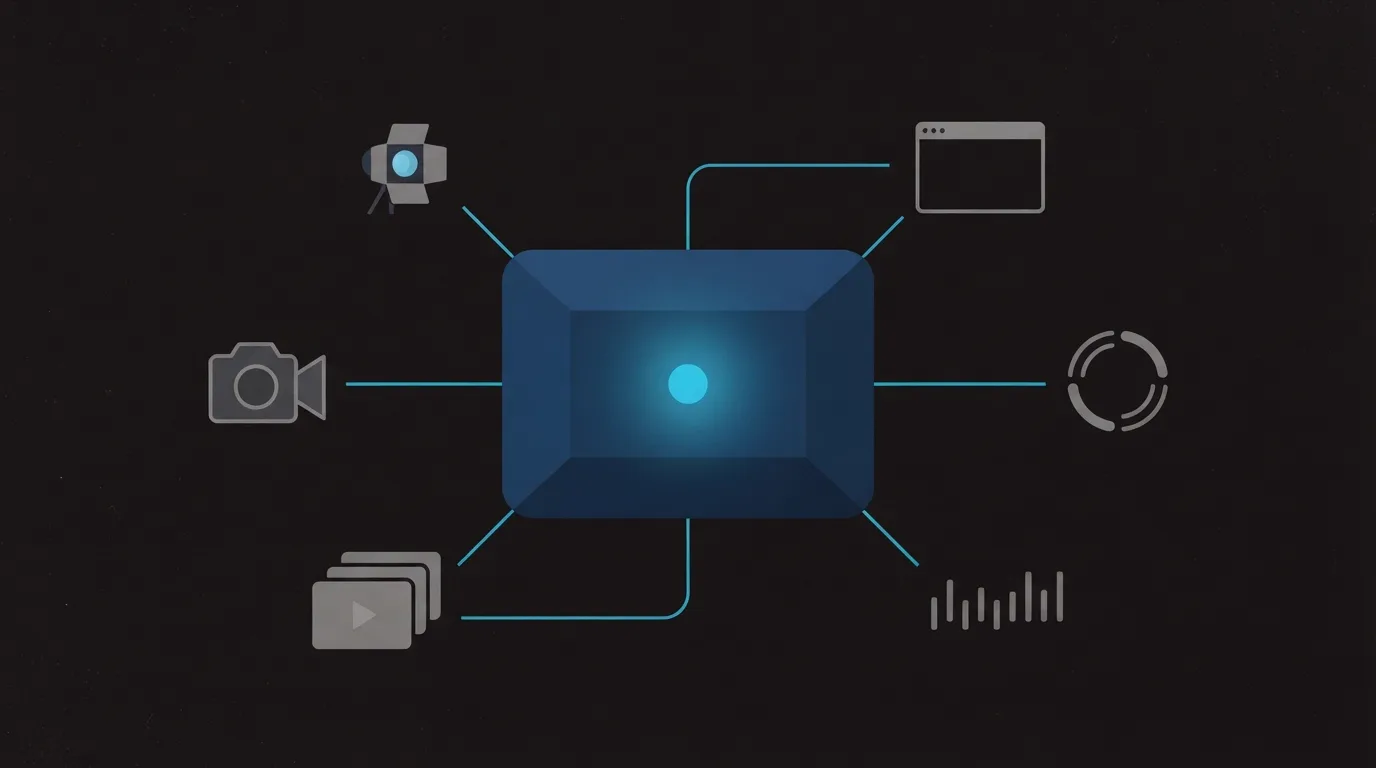
Six distinct webinar paths branching from one virtual event room

By Dominic Reyes, lead reviewer. Edited by the Play That Sells desk. Updated 12 October 2026.

You already have a webinar room. The problem is everything around it: a registration page that matches the offer, reminders that do not need another automation, a timed pitch inside the session, and a replay that keeps working after the live date.

That is why sellers leave Zoom Webinars. Community reports describe teams outgrowing it when registration, reminders, replay hosting, analytics and CRM sync become a hand-built stack. The right replacement depends on the selling motion. A coach running a live pitch needs a different product from a B2B team that treats webinars as one source of account engagement.

This ranking separates those jobs. WebinarJam and Demio are live marketing rooms. EverWebinar turns a recording into a scheduled funnel. Livestorm changes the billing logic by charging for attendance. Wistia and Vimeo make more sense when the webinar belongs inside a wider video program.

Quick answer

WebinarJam is our top pick for most people. WebinarJam is the Zoom Webinars alternative to try first for a live sales pitch. Its cheapest plan pairs a 100-person room with registration pages, reminders and offers on screen, at the lowest annual price in this roundup.

  • WebinarJam. Best for live pitch selling. From $39/mo.
  • Demio. Best for small browser rooms. From $45/mo.
  • EverWebinar. Best for evergreen replay funnels. From $79/mo.
  • Livestorm. Best for uneven turnout. Has a free tier.
  • Wistia. Best for B2B video automation. Has a free tier.
  • Vimeo. Best for existing video libraries. Has a free tier.

WebinarJam is the first Zoom Webinars alternative to try if you sell on live pitch webinars and need registration, offers and reminders without gluing a ticketing tool and an automation service to Zoom. Choose Demio when the browser-based attendee experience matters more than the lowest entry price. Choose EverWebinar when the sale happens on a scheduled replay.

Compare the six options

The shortlist

  1. 1. WebinarJam: best Zoom Webinars alternative for live pitch selling

    The most direct move for a coach or seller who wants registration pages, reminders and live offer displays in the same product.

  2. 2. Demio: best Zoom Webinars alternative for small browser rooms

    A cleaner fit for a marketer who values a no-download attendee flow and a predictable 50-person Starter room.

  3. 3. EverWebinar: best Zoom Webinars alternative for evergreen replay funnels

    The specialist pick when the live date is over and the sales event needs just-in-time schedules, reminders and timed offers.

  4. 4. Livestorm: best Zoom Webinars alternative for uneven turnout

    The billing-model alternative: Pro uses attendee credits only when someone joins live, watches a replay or opens an on-demand session.

  5. 5. Wistia: best Zoom Webinars alternative for B2B video automation

    The expensive strategic switch when webinars must live beside a broader B2B video library and feed the same follow-up system.

  6. 6. Vimeo: best Zoom Webinars alternative for existing video libraries

    A pragmatic option when the organization already hosts on Vimeo and wants webinars without adopting a dedicated selling platform.

Compare the alternatives

Feature comparison across 6 tools
Tool Billing Entry room Registration Automated Live offers CRM access From
1. WebinarJam –Unknown –Unknown –Unknown –Unknown –Unknown –Unknown $39/mo
2. Demio –Unknown –Unknown –Unknown Starter and up –Unknown –Unknown $45/mo
3. EverWebinar –Unknown –Unknown –Unknown –Unknown –Unknown –Unknown $79/mo
4. Livestorm –Unknown –Unknown –Unknown –Unknown –Unknown –Unknown Free tier
5. Wistia –Unknown –Unknown –Unknown –Unknown –Unknown –Unknown Free tier
6. Vimeo –Unknown –Unknown –Unknown –Unknown –Unknown –Unknown Free tier

The Zoom price is omitted because its regional, client-rendered pricing needs a separate re-check before we state a dollar amount.

The ranked alternatives

1. WebinarJam: best Zoom Webinars alternative for live pitch selling

1. WebinarJam

Live and automated webinar software for selling online.
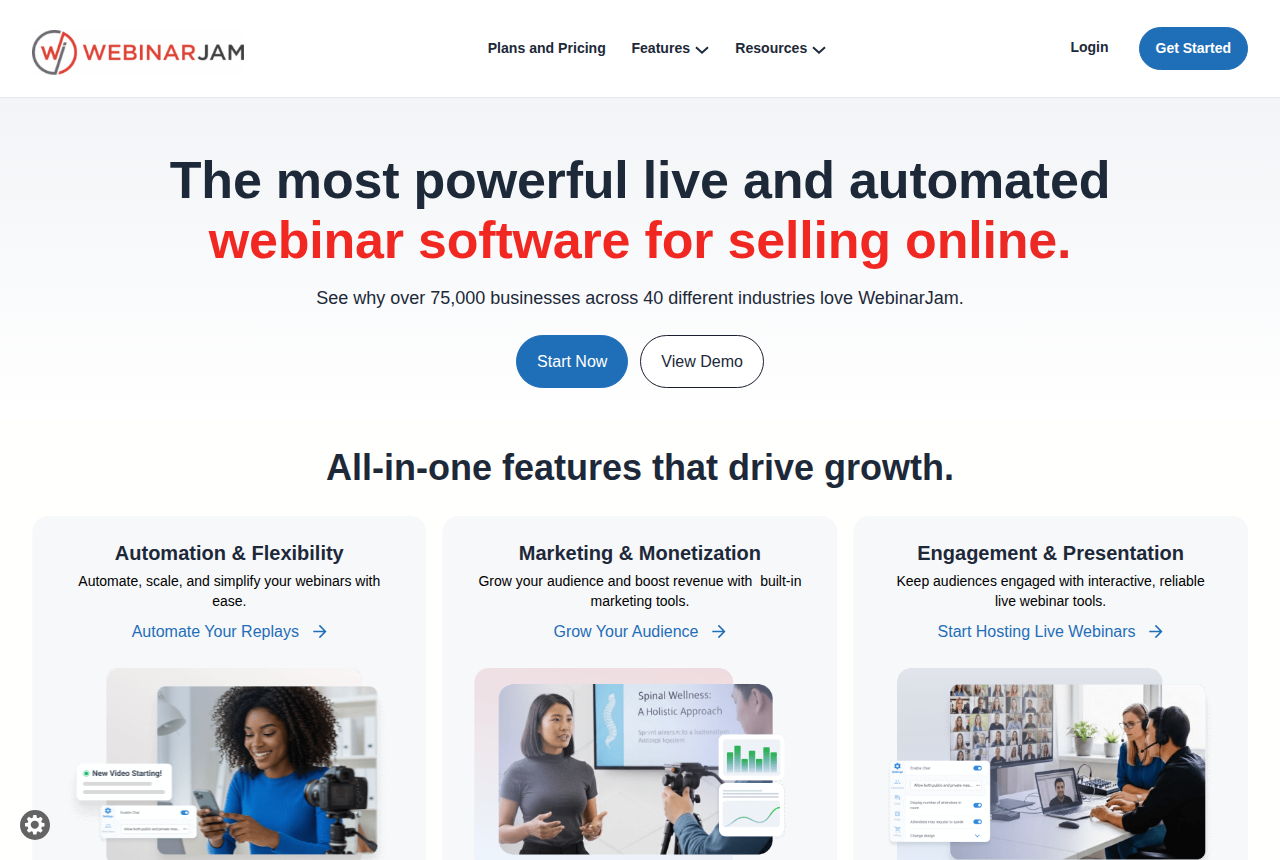
The WebinarJam homepage showing live and automated webinar software for selling online.

Our take: WebinarJam is the Zoom Webinars alternative to try first for a live sales pitch. Its cheapest plan pairs a 100-person room with registration pages, reminders and offers on screen, at the lowest annual price in this roundup.

What works

  • Starter is a 100-person room with a one-hour cap, built for a live coach pitch.
  • Registration pages, email and SMS reminders, live offers and registration A/B tests are included in the plan.
  • Basic and higher plans include EverWebinar, so a successful live pitch can move into an automated replay program.

What to watch

  • The Starter room is capped at one hour, which is tight for a long workshop with questions.
  • Automated replays need a separate product, EverWebinar, unless the plan already includes it.
  • A dense sales interface can be more software than a team needs for a simple educational event.

WebinarJam is built around the commercial event rather than the meeting room. Starter is published at $39 a month when billed annually, with a 100-attendee room and one-hour sessions. Its self-serve plans include customizable pages, email and SMS, and live offer displays. Registration-page A/B testing is part of the same selling workflow.

That matters when the pitch has a defined reveal. The host can bring the offer into the room at the right moment instead of asking an automation stack to coordinate a page, a webinar and a follow-up sequence. The public entry is also the lowest flat annual price in this shortlist.

Starter limits a session to one hour, which is narrow for a workshop with a long teaching section and questions. WebinarJam also routes evergreen delivery through EverWebinar. Basic, Professional and Enterprise include that sister product, but the live and recorded workflows remain separate products.

A repeatable pitch uses those selling mechanics. A plain camera-and-slides event can use a simpler room.
2. Demio: best Zoom Webinars alternative for small browser rooms

2. Demio

The webinar platform built for marketers

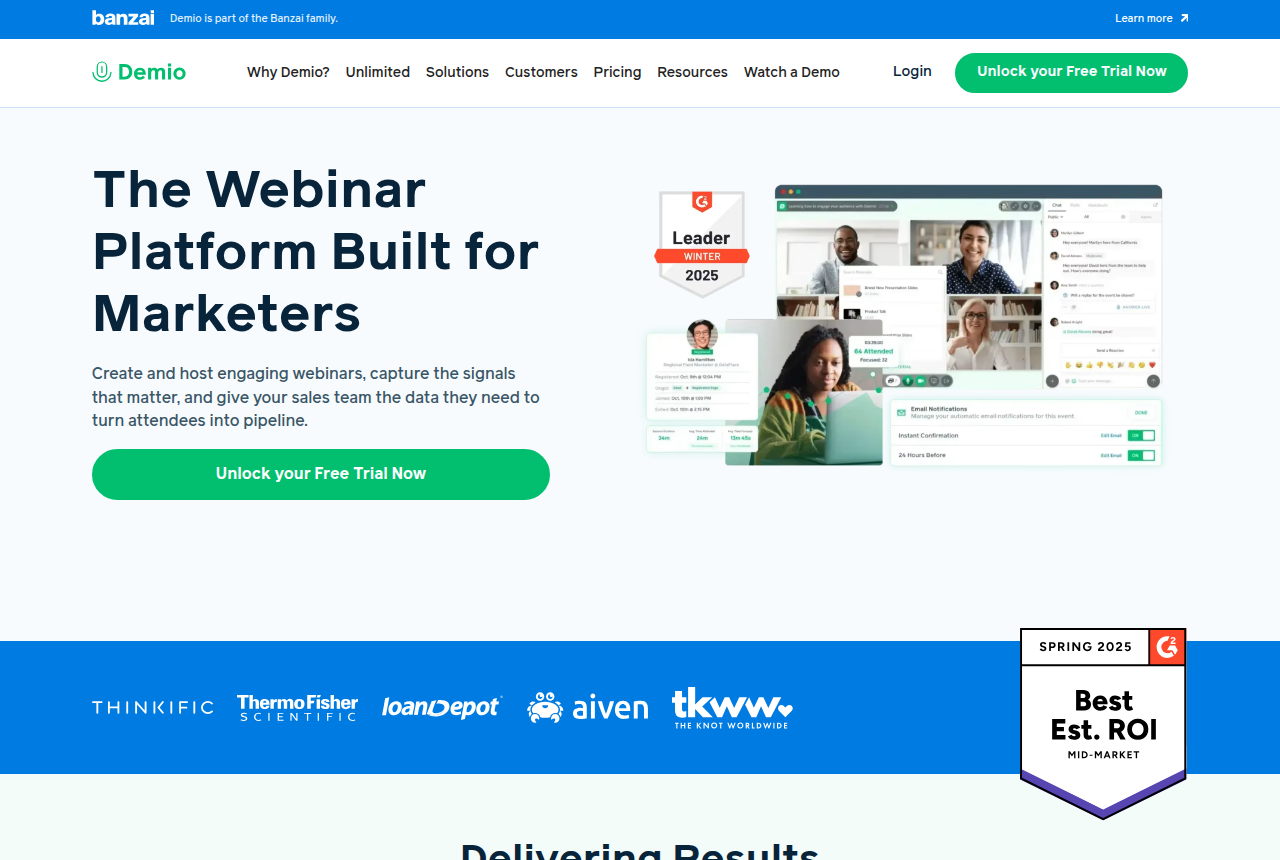
The Demio home page showing its marketer-focused webinar platform, a browser webinar scene, and a free-trial button.

Our take: Demio is the pick if you want a legitimate, browser-based webinar room for one host and up to 50 attendees on a bill you can forecast for the year. You will regret it if you need simultaneous hosts on Starter, deep branding control, or native CRM sync without paying for Premium.

What works

  • Starter gives one host a fixed 50-attendee room, so the yearly bill stays predictable for a webinar you run on a schedule.
  • Live, on-demand and automated webinars all sit on Starter, so evergreen sessions need no second product.
  • Attendees join in the browser with nothing to install, and users describe the room as clean and quick to learn.
  • The 14-day trial includes Growth features, HubSpot included, for sessions of up to one hour and 20 attendees.

What to watch

  • Starter is limited to one host, so simultaneous events or a rotating host team require a higher tier or another paid host.
  • HubSpot, Salesforce, Marketo and Pardot integrations sit on Premium.
  • Starter sessions are capped at three hours.
  • One SaaS team says the pages are hard to customize and that support falls short.

Demio is the calmer choice for a small marketing team with a known room size. Starter costs $45 a month per host when paid yearly and covers 50 attendees. Live, on-demand and automated webinars are available on Starter, so the team can run the launch and keep a recorded version available without buying a second product.

The browser-based attendee experience is the main reason to pay more than WebinarJam's entry price. A prospective buyer can move from the registration page into the event without treating the webinar as another installed meeting client. For a recurring product demo or a focused lead-generation session, that polish can be worth more than an extra 50 seats.

Fifty attendees is a small starting room, and a growing launch can force a plan change quickly. Premium is where the named HubSpot, Salesforce, Marketo and Pardot integrations sit in the current tenant research.

Demio is strongest when one host owns a predictable program. Multiple hosts, larger rooms or deep CRM sync change the plan decision.

3. EverWebinar: best Zoom Webinars alternative for evergreen replay funnels

3. EverWebinar

Evergreen webinar software that sells 24/7.

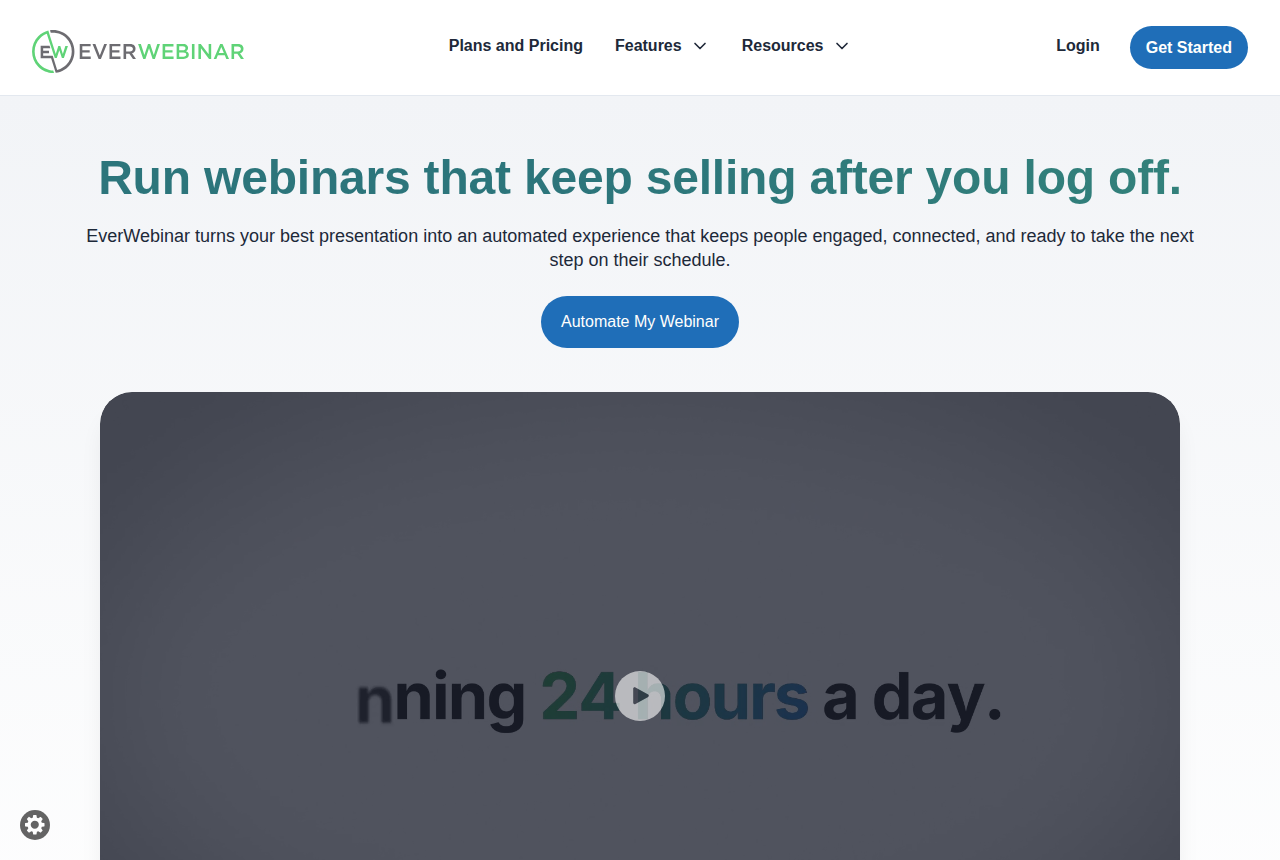
EverWebinar homepage showing its automated webinar scheduling and evergreen sales positioning.

Our take: EverWebinar is the mature automation pick when Replica Replay, hybrid live chat or a WebinarJam workflow matters more than the bill. Every billing option carries the same features, but the public monthly and annual outlay is much higher.

What works

  • Replica Replay imports a WebinarJam session with chat timestamps, polls, handouts and timed offers.
  • Hybrid mode keeps the recording running while a host or team member answers chat live.
  • Email reminders, optional SMS and just-in-time scheduling are included, and every billing option has the same features.

What to watch

  • The listed price is steep for a small seller, whether you pay month to month or pay the year up front.
  • The low-cost trial converts to the full month-to-month price unless it is cancelled before the trial ends.
  • Live webinars require WebinarJam separately, and TrustRadius includes complaints about weak support.

EverWebinar solves a different problem from Zoom. It takes a recorded presentation and turns it into an automated event with scheduling, reminders and selling moments. The annual option is $1,188 upfront, presented as a $99 monthly equivalent. That is a meaningful commitment, but the value sits in running the same proven presentation repeatedly.

Just-in-time scheduling can give a visitor a near-term session instead of asking them to wait for the next live date. Hybrid mode keeps the recorded event running while a host or team member answers chat. For existing WebinarJam users, Replica Replay can carry across the shape of a live session, including its timed interactions.

The drawback is explicit: EverWebinar does not replace the live room. Live webinars still flow through WebinarJam. A seller who needs both modes is choosing an ecosystem, even when a higher WebinarJam plan includes the automated product. The public monthly route is also expensive relative to entry live platforms. Buy it after a webinar has proved it can sell. Early pitch discovery still belongs in live sessions.

4. Livestorm: best Zoom Webinars alternative for uneven turnout

4. Livestorm

All-in-one webinar software for marketing teams.

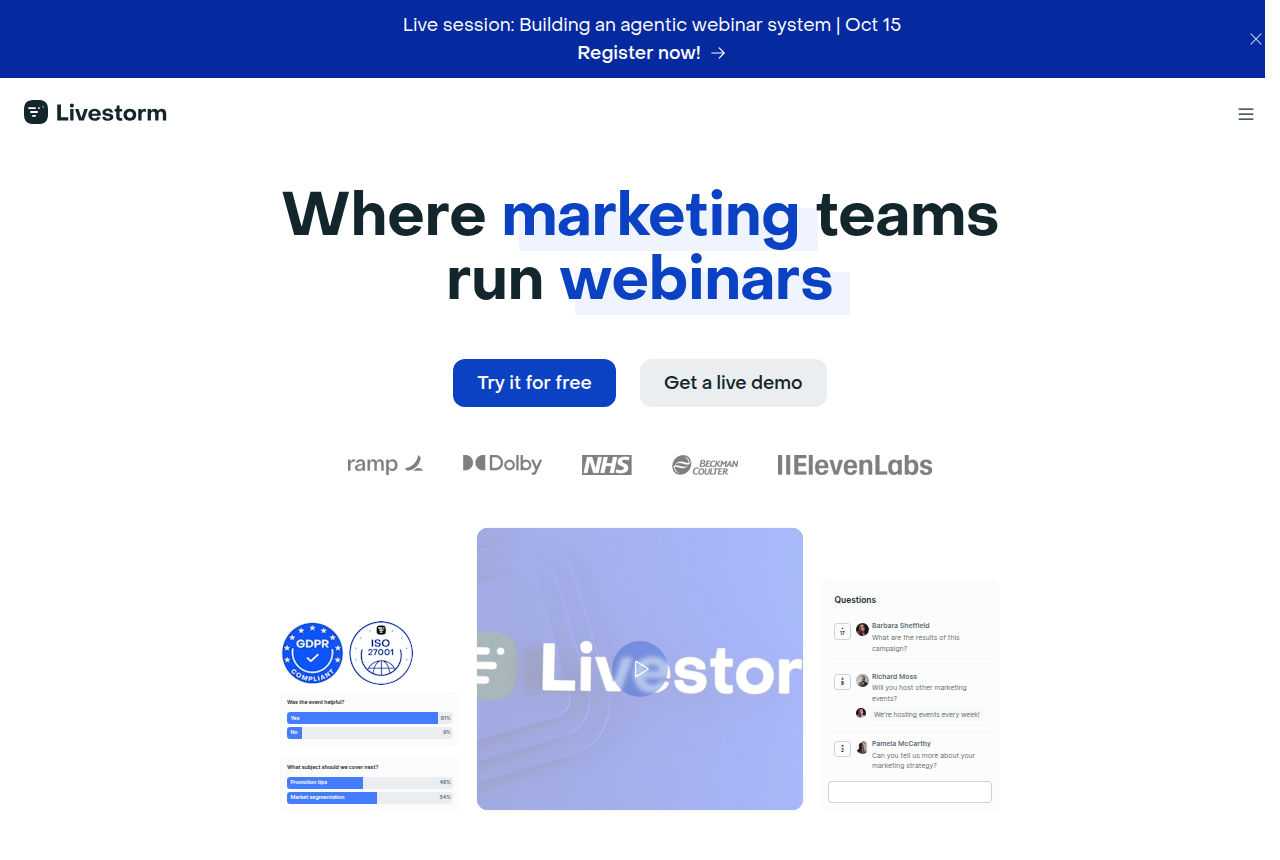
The Livestorm home page showing its browser-based webinar positioning, marketing-team headline, compliance badges, polls, and questions interface.

Our take: Livestorm is the better fit when attendance swings, several teammates host events or HubSpot sync matters before an enterprise tier. Its attendee-credit model saves money on no-shows, but consistently full rooms make the bill climb with every attendee.

What works

  • The Pro plan charges only for people who attend live, replay or on-demand, while registrants who never join do not consume credits.
  • Unlimited internal team members on Pro suit organizations with rotating presenters and event operators.
  • Native HubSpot sync is available on Pro, alongside browser-based live, automated and on-demand webinars.

What to watch

  • The attendee-credit model becomes expensive when rooms fill consistently because every actual attendee consumes a credit.
  • Salesforce, Marketo, Pardot and Microsoft Dynamics integrations require Enterprise.
  • Public Pro pricing is in euros, which adds currency planning for teams budgeting in dollars.

Livestorm changes the first budgeting question. Its Pro pricing starts at €2.50 for each attendee credit on a yearly pack. A credit is consumed when someone attends live, watches the replay or views the on-demand session. A registrant who never shows up does not count.

That can fit a B2B demo program with volatile registration. A team that attracts many curious sign-ups but a smaller live audience is not reserving an oversized fixed room for absentees. Internal team members do not consume credits, which also helps when presenters and moderators rotate. HubSpot access on Pro makes the handoff more useful for a team already organized around that CRM.

The meter becomes expensive when events perform well. Every real attendee consumes a credit, and replay or on-demand viewing also counts for the session.

Compare expected attendance with a flat room before deciding that metering is cheaper. Livestorm fits irregular turnout. Consistently full rooms favor a predictable flat plan.

5. Wistia: best Zoom Webinars alternative for B2B video automation

5. Wistia

Video marketing platform for business: host, brand and measure video.

The Wistia home page

Our take: Wistia is the pick if your video's job is B2B marketing and webinars inside a broader content stack.

What works

  • Real webinar software plus a polished, on-brand, ad-free player, in one platform.
  • The Automation Suite pushes video and webinar engagement into HubSpot, Marketo and Pardot, so watch behaviour becomes a lead signal your sales team can act on.
  • Heatmaps, engagement graphs and A/B testing give marketers serious reporting, and there is a free plan to start.

What to watch

  • It is built for B2B content and demand generation. A cold direct-response sales video will not get sound-first autoplay that restarts, or a sale posted back from the cart.
  • Costs climb as the library grows. Lead scoring sits on a higher plan, each extra person is billed, and storage and bandwidth are capped.

Wistia Webinars belongs in a different budget and operating model. The webinar plan starts at $429 a month billed annually, includes 500 attendees, registration pages and its Automation Suite, and places the event beside the rest of a B2B video program.

A demand-generation team can manage webinars as one format inside the same video system used for the broader content library. That can make engagement and follow-up more coherent than moving webinar data out of a standalone room after every event.

Our Wistia review covers that wider platform choice.

The price is the plain drawback. Wistia's entry is more than ten times WebinarJam Starter, so a solo coach running one pitch webinar would pay for a much broader B2B stack than the job requires. Choose it when webinars feed an established marketing operation and the surrounding video system is part of the decision. For a standalone live sale, the webinar-first products above are easier to justify.

6. Vimeo: best Zoom Webinars alternative for existing video libraries

6. Vimeo

Ad-free video hosting, players, and distribution for creators and businesses.

The Vimeo home page

Our take: Vimeo is the pick if you need dependable hosting and a clean player for general-purpose video.

What works

  • A dependable, widely used host with a clean, ad-free player and a large free-to-enterprise range.
  • Covers a broad set of jobs beyond a sales page: a video library, interactive video, live streaming and webinars.

What to watch

  • It is a general-purpose host. Conversion analytics, cart attribution and marketer-focused VSL autoplay sit outside the platform.
  • A paid-traffic sales video needs tracking elsewhere because Vimeo does not tie plays to sales.

Vimeo is the continuity choice. It covers general video hosting, live streaming and webinars, so an existing customer can add an occasional event without moving the broader library. That reduces the operational cost of another vendor when the webinar is a supporting format rather than the center of the sales motion.

The appeal is strongest for a team that already knows its player, permissions and library workflow. The event can sit beside recorded product video and other hosted assets. Our Vimeo review explains where that broad hosting model fits, and the Vimeo alternatives guide covers the wider host decision.

The selling layer is thinner than a webinar-first pitch platform or Wistia's demand-generation stack. Vimeo can provide the room, but this research brief does not establish the same native timed-offer workflow that puts WebinarJam first for coaches. Pick it to avoid adding a separate webinar system, not because it replaces a purpose-built registration and pitch funnel.

Choose the exit path before the vendor

Moving away from Zoom only helps if the replacement removes the part of the workflow causing the strain. Start with the session that earns the money.

For a live pitch, compare the offer workflow

A live selling webinar has a moment when teaching turns into an offer. Registration, reminders and the in-room display need to support that moment. WebinarJam makes those mechanics explicit. Demio focuses more on a polished browser journey and supports automated sessions from Starter. The useful comparison is not whose video looks sharpest. It is how much work remains between a registration and the sales follow-up.

Keep the expected room size beside the feature list. WebinarJam publishes 100 attendees at its Starter level. Demio publishes 50. A 40-person workshop can fit either, while a launch that regularly crosses 50 people changes the Demio calculation immediately.

For evergreen, start with the recording

An evergreen platform magnifies an existing pitch. It does not supply one. EverWebinar makes sense after a live webinar has produced a recording and a sales argument worth repeating. Its scheduling and hybrid chat can make that asset available more often, but live delivery still belongs to WebinarJam.

A seller who is still changing the core presentation every week should stay with a live platform. The handoff to evergreen is valuable when the script, offer timing and follow-up are stable enough to automate.

For B2B, follow the attendee data

A B2B team should map what happens after attendance. Livestorm's HubSpot access on Pro can matter more than a larger flat room when marketing and sales already share that system. Wistia asks for a much higher budget but places the webinar inside a wider video and automation stack. Vimeo fits when continuity with an existing video library is the bigger operational win.

Zoom's developer platform can expose registration and attendee metrics through APIs and webhooks. A capable operations team may prefer to keep that foundation and connect its own stack. Migration is strongest when a vendor's native workflow replaces enough integration work to justify retraining hosts, rebuilding registration pages and changing follow-up.

Can you keep Zoom and replace only registration?

Yes. A registration or automation layer can sit in front of Zoom when the event room is reliable and only the marketing wrapper is weak. That approach preserves host familiarity and avoids a full migration. It also keeps several systems in the path, so ownership of reminders, attendee status and replay follow-up must be explicit.

A full switch makes more sense when timed offers, automated sessions or CRM handoff are central every week. Patching the stack makes more sense when webinars are occasional, the team already has working automation, or Zoom's broader organizational role outweighs the inconvenience around one sales event.

Deciding to stay on Zoom Webinars instead? Our Zoom Webinars review covers what it does well and the limits that push sellers to look elsewhere.

How we ranked the alternatives

We are a research desk. We read vendor product and pricing pages for what each platform is, what it does and what it costs, then use long-term user reports to identify recurring friction. We do not run live sales campaigns inside these tools.

The ranking uses five decision points: registration and reminder control, in-room selling mechanics, live versus automated delivery, billing predictability for a small seller, and the handoff into a CRM or broader video stack. Each item gets one job it does best and one drawback tied to the feature it limits. Read how we rate tools for the full editorial method.

Frequently asked questions

Can I keep Zoom and replace only the registration flow?
Yes. Keep Zoom as the room and place a registration or automation layer in front of it when host familiarity matters. A full migration is stronger when reminders, timed offers, replay delivery and CRM handoff all need to live in one product.
Do I need both EverWebinar and WebinarJam?
EverWebinar handles automated sessions. Live webinars still use WebinarJam. WebinarJam Basic and higher include EverWebinar, so the two can work as one live-to-evergreen system even though they remain separate products.
Is Livestorm cheaper than Zoom Webinars?
It depends on attendance. Livestorm Pro charges for people who join live, watch the replay or view on demand, while no-shows use no credits. That can help with erratic turnout and become expensive when rooms fill consistently.
When is Wistia worth more than a webinar-first tool?
Wistia is easier to justify when webinars belong inside a mature B2B video and automation program. A solo coach running a live pitch is paying for a much broader system and will usually get a clearer fit from WebinarJam or Demio.
Which alternatives to Zoom Webinars support automated events?
Demio includes automated webinars on Starter. EverWebinar is built around evergreen sessions. WebinarJam adds the sister EverWebinar product on Basic and higher plans.
Which Zoom Webinars alternative is best for a live sales pitch?
WebinarJam is the first option to try. Its public Starter plan combines a 100-attendee room with registration pages, reminders and live offer displays at $39 a month when billed annually.

Sources

From Zoom Webinars

Other sources

9 discussions and reviews read for this page. Quotes are excerpts; open a link to read the original in context.

  1. [zoom-events-dev] Zoom Webinars Plus and Events developer documentation Blog
  2. [webinarjam-pricing] WebinarJam pricing Blog
  3. [demio-pricing] Demio pricing Blog
  4. [livestorm-pricing] Livestorm pricing Blog
  5. [everwebinar-pricing] EverWebinar pricing Blog
  6. [wistia-webinars] Wistia webinar pricing Blog
  7. [zoom-marketing-report] Community comparison of webinar platforms Reddit
  8. [zoom-switch-report] Discussion of switching from Zoom to a webinar platform Reddit
  9. [zoom-addon-report] Zoom customer warning about add-on terms Reddit

Related reading

Compare the six options

Dominic Reyes

Written by

Dominic Reyes

Lead reviewer

Dominic Reyes is the lead reviewer at Play That Sells. He covers VSL players, video hosting and the attribution stack behind paid-traffic funnels, reading vendor documentation, pricing pages and years of user threads before he writes a verdict. He pays most attention to retention, conversion tracking and page-load speed. When a vendor's claims go further than what buyers report, he says so.

dominic.reyes@playthatsells.com

Last checked 2026-10-12

Comments

No comments yet. Questions and your own experience are welcome.

Leave a comment

Thank you. Your comment will appear once it has been reviewed.